Civic participation on the Westside of Los Angeles happens through a patchwork of neighborhood councils, community councils, and neighborhood associations — each operating within different city structures but sharing a common purpose: giving residents a direct line into local government decisions.
Understanding who these bodies are, where they operate, and what authority they actually hold is useful for anyone trying to engage with local policy on housing, development, public safety, or community resources.
Los Angeles City Neighborhood Councils
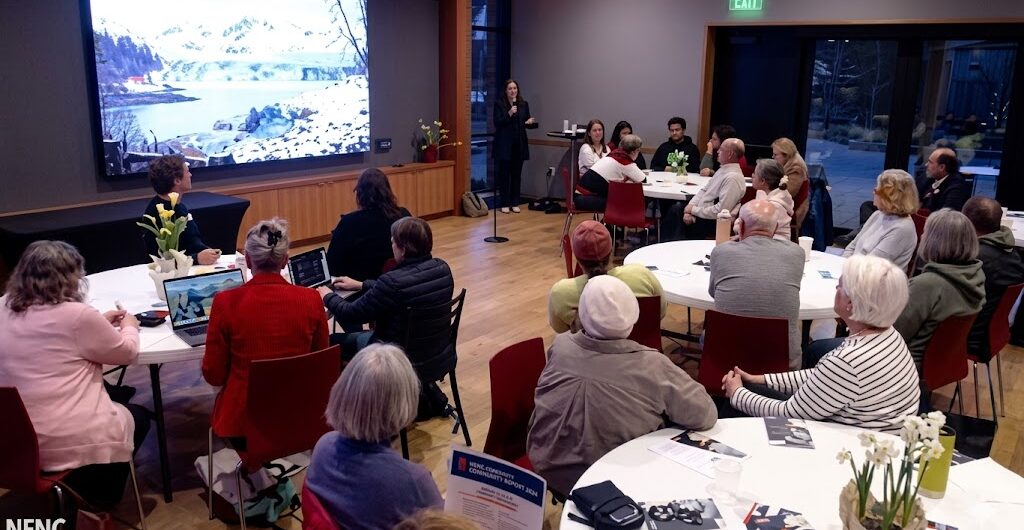
Within the City of Los Angeles, neighborhood councils are advisory bodies that advocate for their communities to City Hall on issues such as development, homelessness, and emergency preparedness. They are part of the Los Angeles City government, have annual budgets funded by taxpayer dollars, and board members are elected by local community members, though they serve as volunteers. EmpowerLA
The neighborhood council system was established in 1999, when a revised Los Angeles City Charter directed the formation of neighborhood councils throughout the city, with the goal of giving citizens greater access to City Hall and a more effective voice in city affairs. WESTSIDE NC
Within CD11 and the broader Westside, the Los Angeles neighborhood councils include: Venice Neighborhood Council, Mar Vista Community Council, Del Rey Neighborhood Council, Neighborhood Council of Westchester/Playa, Brentwood Community Council, Bel Air-Beverly Crest Neighborhood Council, and the Westside Neighborhood Council, which covers the Sawtelle/West LA area.
These councils are brought together regionally through the Westside Regional Alliance of Councils. WRAC is a cooperative regional coalition made up of 14 neighborhood and community councils on the Westside of Los Angeles that meets regularly to discuss matters of regional interest, addresses major issues impacting the Westside, and expresses consensus positions to local lawmakers and elected officials. Westsidecouncils
Santa Monica: A Different Structure
Santa Monica is an independent city — not part of the City of Los Angeles — and does not have a neighborhood council system in the LA sense. Instead, it recognizes and funds neighborhood organizations through a grant program.
Santa Monica currently recognizes seven neighborhood organizations that receive annual grants, including the North of Montana Association, North East Neighbors, Mid City, Friends of Sunset Park, Pico Neighborhood Association, Ocean Park Association, and the Wilshire Montana Neighborhood Coalition. Santa Monica Daily Press
Of these, the Pico Neighborhood Association is particularly significant from an equity standpoint. The Pico neighborhood is home to Santa Monica’s most ethnically, generationally, and economically diverse area. PNA The PNA has been on the front lines of voting rights and anti-displacement advocacy for decades, including a landmark legal battle against Santa Monica’s at-large election system, which argued the system diluted Latino voting power — a case that ultimately reached the California Supreme Court.
Culver City
Culver City is also an independent city with its own city council structure. While it does not have a formal neighborhood council system equivalent to LA’s, residents engage through city commissions, public hearings, and community meetings. Culver City has boards and commissions covering planning, housing, parks, and public safety that serve as the primary channels for civic engagement for residents.
Why This Matters
Neighborhood councils and community organizations are where policy gets shaped before it reaches elected officials. Development projects, decisions on homeless services, park plans, and zoning changes all pass through these bodies. Knowing which council covers your neighborhood — and when they meet — is the first step toward meaningful civic participation on the Westside.
For LA City residents, the EmpowerLA website at empowerla.org is the primary resource for finding your neighborhood council. For Santa Monica residents, the city’s neighborhood organization information is available at santamonica.gov.